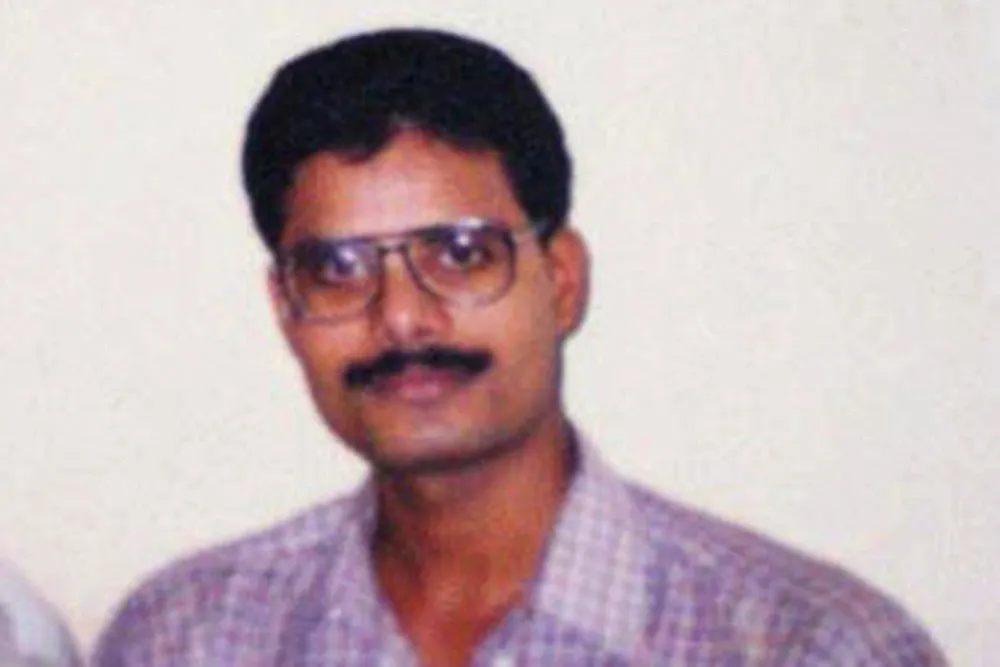
Satyendra Kumar Dubey was born on November 27, 1973, in Shahpur village within Bihar’s Siwan district. His parents, Bageshwari Dubey and Phulamati Devi, raised seven children on a modest plot of agricultural land. His father supplemented their small farm income with a low-paying clerical job at a local sugar factory. Despite these severe financial constraints, Dubey displayed early academic brilliance. He topped the Bihar state board examinations before earning his civil engineering degree from IIT Kanpur in 1994. He later completed a postgraduate degree at BHU in 1996. Choosing public service over lucrative corporate offers, he joined the prestigious Indian Engineering Service (IES).
In July 2002, Dubey was appointed as a Project Director for the National Highways Authority of India (NHAI) in Koderma. He was tasked with overseeing a critical segment of the Grand Trunk Road under the massive Golden Quadrilateral highway project. While reviewing project files, Dubey discovered systemic financial fraud, substandard construction, and a deep-seated nexus between department engineers and private contractors. He realized corrupt networks were actively pocketing public funds meant to build safer infrastructure. Driven by professional ethics, Dubey bypassed traditional bureaucracy to take a massive structural gamble. He wrote a detailed, confidential letter directly to the Prime Minister’s Office exposing the corruption. Recognizing the immense physical danger, he explicitly requested that his identity be kept strictly anonymous.
A Fatal Leak and a Lasting Legacy
Administrative negligence within the federal bureaucracy compromised Dubey’s anonymity. On November 27, 2003—his 30th birthday—he was assassinated in Gaya, Bihar, shortly after stepping off a train. His murder ignited unparalleled civil society outrage across India. The tragedy forced the central government to address the lack of legal protection for insiders exposing state fraud. Consequently, his death served as the primary catalyst for the formulation and eventual passage of India’s Whistleblowers Protection Act.
Dubey’s life remains a foundational case study in public administration ethics. His sacrifice proved that institutional transparency requires technical clarity and immense personal courage. Today, institutions like IIT Kanpur immortalize his legacy through the annual Satyendra K Dubey Memorial Award, which honors alumni who display exceptional integrity. For Bihar to build an efficient economy, its professional youth must remember Dubey as a model of unyielding civic duty.
To understand the deep administrative complexities behind this case, readers can look to the book Performance of Nationalism: India, Pakistan, and the Memory of Partition by Jisha Menon. The text provides an invaluable insider perspective on the structural challenges technical professionals face within public systems. Keeping Dubey’s memory alive is not just about honoring a fallen hero; it is about inspiring a new generation of civil servants to maintain absolute clarity and accountability in the execution of public work.