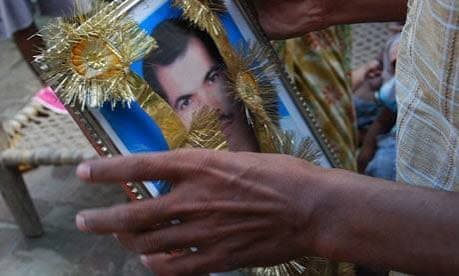
Shashidhar Mishra, born around 1975, hailed from Phulwaria village near the industrial town of Begusarai in Bihar. Born into absolute poverty, Mishra’s background reflected the realities of the vulnerable communities he eventually defended. He lived in a modest mud house with his wife and four children, earning a meager daily livelihood as a street vendor. Operating out of the bustling Barauni market, he rode a heavy bicycle to sell inexpensive pens, candies, and snacks to daily commuters. Despite his minimal formal education and constant struggle for financial survival, Mishra possessed an uncompromising sense of civic justice. His daily life on the streets gave him a front-row seat to the financial extortions inflicted upon poor citizens by petty local authorities.
When India implemented the historic Right to Information (RTI) Act, Mishra recognized it as a potent, low-cost weapon against corruption. In 2008, he filed his first RTI application, quickly transforming into a relentless, one-man investigative unit. Popularly nicknamed “Khabri Lal” (The News Man) by locals, Mishra filed over 1,000 RTI applications aimed directly at local government fraud. He systematically exposed deep-seated embezzlements within village welfare funds and the black-marketing of subsidized food rations meant for impoverished families. He also uncovered extensive financial irregularities within local police stations. By forcing these public records into the open, Mishra directly disrupted the illicit revenue streams of local mafias and compromised bureaucrats.
A Fatal Cost and an Enduring Beacon
Mishra’s uncompromising stance against local corruption came at a fatal cost. On the night of February 14, 2010, he was shot dead by contract killers right outside his home in Begusarai. International media outlets, including The Guardian, highlighted his assassination as a stark reminder of the extreme physical dangers faced by frontline whistleblowers. Following his tragic death, the National RTI Forum honored his immense sacrifice by establishing the Shashidhar Mishra RTI Gallantry Award.
Mishra must remain visible in the public eye because he personifies the working-class citizens who risk everything to keep local governance honest. His story reminds society that information transparency is a hazardous frontier requiring strong protective laws. For Bihar to thrive, the courage of everyday citizens like Mishra must be remembered as the foundation of a fair and equal society.
The structural dangers surrounding frontline activists like Mishra are extensively chronicled in a book The Right to Information Act 2005: A Handbook by Sudhir Naib. This body of work underscores the urgent need for robust citizen protection frameworks within developing democracies. Remembering Mishra through international investigative journalism ensures his sacrifice acts as an enduring beacon, reminding us that an open society cannot exist without protecting those who dare to speak truth to power.