
Abraham Lincoln said democracy is “of the people, by the people, and for the people.” These words remind us that democracy is not just a system of government – it is a living practice that requires constant participation. It only becomes real when citizens actively engage, stay informed, and make rational decisions based on facts rather than propaganda.
But what happens when the very institutions meant to inform us fail in their duty?
In recent years, we have witnessed a troubling transformation of media houses across the country. Organizations that once served as watchdogs have become slaves to power. They are playing in the hands of parties in power, prioritizing access and influence over truth and accountability. Instead of questioning authority, they amplify it. Instead of investigating, they echo talking points.
The consequences of this failure are serious. When media houses abandon their responsibility, ordinary citizens cannot get well informed about what is truly happening in their country. They receive filtered information, carefully crafted narratives that serve political interests rather than public understanding.
How can people make informed choices when the information they receive is compromised?
This is precisely where grassroots organization becomes essential. When traditional media fails, ground-level movements step in to fill the gap. These movements help ordinary people realize what is happening at the larger level and how it affects their daily lives. They create spaces for honest conversation, share information that mainstream media ignores, and connect local struggles to national patterns of power.
Grassroots organizing does what compromised media no longer does; it educates, it questions, and it empowers. It helps a factory worker understand how national economic policies affect their wages. It shows a parent how education reforms will impact their children’s schools. It connects a farmer’s struggles with larger trade agreements.
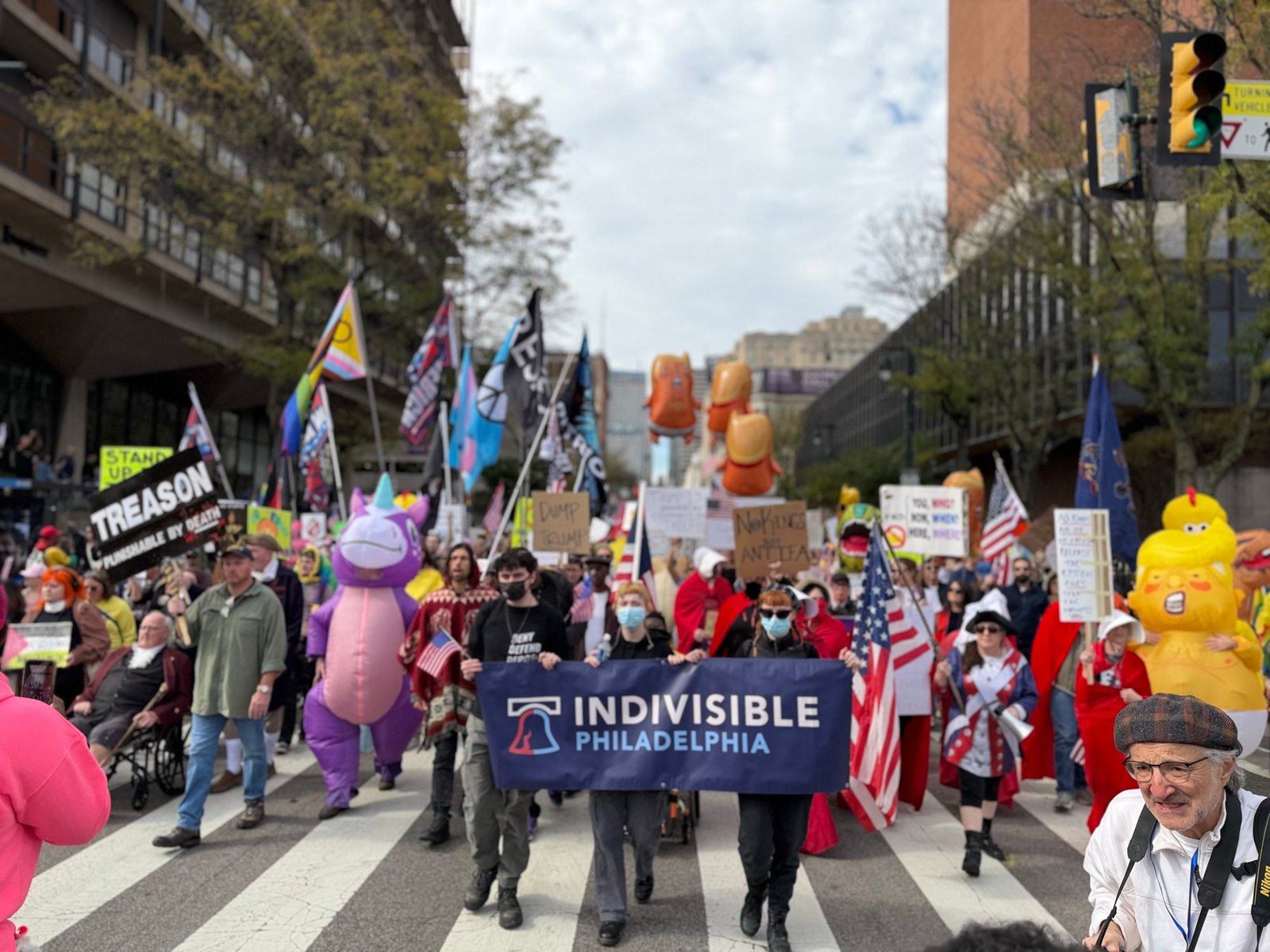
Yesterday’s “No Kings” rally in all parts of America was not just a demonstration. It was a powerful statement about the role of citizens in a democracy. Thousands of people came together to send a clear message to those in power: we are watching.
The rally showed real power – the power of people keeping an eye on those who govern. It proved that somebody is there to hold the system accountable, even when official institutions fail to do so.
The significance of such movements goes beyond any single event. They represent a refusal to accept the status quo. They remind us that accountability does not happen automatically. It must be demanded, constantly and consistently. When media fails to ask hard questions, citizens must ask them. When institutions become complacent, people must remain vigilant.
The “No Kings” movement embodies this spirit. It reminds us that in a true democracy, power ultimately belongs to the people – but only if they are willing to claim it and defend it.